How Trading Investment Scammers Work: A Step-by-Step Guide
Trading and investment scams have become increasingly sophisticated, targeting both beginners and experienced investors. Understanding how these scammers operate is the first step toward protecting yourself. This guide breaks down their tactics step by step so you can recognize and avoid them.
Step 1: Finding and Targeting Victims
Scammers begin by identifying potential victims through:
Social media platforms (Facebook, Instagram, LinkedIn)
Dating apps
Messaging apps like WhatsApp or Telegram
Email lists or online forums
They often look for people who show interest in investing, cryptocurrency, or financial growth.
Step 2: Building Trust
Once they make contact, scammers focus on building a relationship. This can take days or even weeks. They may:
Pretend to be professional traders or financial advisors
Share fake success stories or screenshots of profits
Engage in friendly or even romantic conversations
This stage is often called “social engineering,” where they manipulate emotions to gain trust.
Step 3: Introducing the Investment Opportunity
After trust is established, they introduce a “once-in-a-lifetime” investment opportunity. Common claims include:
Guaranteed high returns with little or no risk
Insider knowledge or special trading strategies
Limited-time offers to create urgency
They often use convincing language and professional-looking websites to appear legitimate.
Step 4: Directing You to a Fake Platform
Victims are then guided to a trading platform or app that looks real but is completely controlled by the scammer. These platforms may:
Show fake account balances
Display simulated profits
Allow small withdrawals initially to build confidence
In reality, no actual trading is happening.
Step 5: Encouraging Larger Deposits
Once the victim sees “profits,” the scammer pushes for more investment. They might say:
“You’re doing great—invest more to earn more”
“This is the perfect time to scale up”
“VIP accounts unlock bigger returns”
This is where victims often invest significant amounts of money.
Step 6: Manipulating Emotions
Scammers use psychological pressure to keep victims engaged:
Urgency (“Act now or miss out”)
Fear (“The market is about to move”)
Excitement (“You’re about to double your money”)
They may also assign a “personal advisor” to guide you, making the experience feel more legitimate.
Step 7: Blocking Withdrawals
When victims try to withdraw their funds, problems begin. Common excuses include:
“You need to pay taxes or fees first”
“Your account must reach a minimum balance”
“Verification is required”
Each excuse is designed to extract more money.
Step 8: Disappearing or Cutting Contact
Eventually, scammers:
Stop responding
Block the victim
Shut down the fake platform
At this point, the funds are usually gone.
Warning Signs to Watch For
You can protect yourself by recognizing these red flags:
Guaranteed profits (no legitimate investment guarantees returns)
Pressure to act quickly
Requests to move conversations off public platforms
Unregulated or unknown trading platforms
Requests for upfront fees to withdraw funds
How to Protect Yourself
To avoid falling victim:
Research any platform before investing
Use regulated and well-known exchanges or brokers
Never send money to someone you don’t fully trust
Be skeptical of unsolicited investment offers
Verify identities and credentials independently
Final Thoughts
Trading investment scams are carefully designed to exploit trust, emotions, and lack of experience. By understanding how these scams work step by step, you can recognize the warning signs early and avoid costly mistakes.
Table of Contents
ToggleInvestment Scam Warning Signs
How Trading Investment Scammers Work
How Trading Investment Scammers Work
Investment Scam Warning Signs: How to Protect Yourself in a High-Risk Digital World
In today’s fast-paced financial landscape, opportunities to grow wealth are more accessible than ever. However, alongside legitimate investments, scams have become increasingly sophisticated and widespread. Understanding Investment Scam Warning Signs is essential for anyone looking to protect their money and make informed financial decisions.
This article provides a professional and practical overview of the most common red flags, how these scams operate, and what you can do to stay safe.
Why Investment Scams Are So Effective
Investment scams succeed because they exploit human psychology—particularly trust, urgency, and the desire for financial gain. Scammers often present themselves as credible professionals, using polished communication, attractive websites, and convincing narratives.
Recognizing Investment Scam Warning Signs early can prevent financial loss and emotional distress.
Common Investment Scam Warning Signs
1. Guaranteed or Risk-Free Returns
One of the clearest red flags is the promise of guaranteed profits. All legitimate investments carry some level of risk. If someone claims you can earn high returns with little or no risk, it is almost certainly a scam.
Understanding this fundamental principle is key when evaluating Investment Scam Warning Signs.
2. Pressure to Act Quickly
Scammers often create a false sense of urgency:
“This opportunity won’t last long”
“Act now before it’s too late”
This tactic is designed to prevent you from doing proper research. Legitimate investments do not require rushed decisions.
3. Unsolicited Contact
Be cautious if you receive unexpected messages about investment opportunities through:
Social media
Email
Messaging apps
Unsolicited outreach is a common method used in fraudulent schemes and is a major Investment Scam Warning Sign.
4. Requests to Move Conversations Off Trusted Platforms
Scammers frequently ask you to continue conversations on private messaging apps like WhatsApp or Telegram. This allows them to operate outside monitored or secure environments.
5. Unverified or Fake Platforms
Fraudulent investment schemes often involve fake trading platforms that:
Display fabricated profits
Mimic legitimate websites
Restrict withdrawals
Before investing, always verify the legitimacy of any platform. This is one of the most critical Investment Scam Warning Signs to watch for.
6. Requests for Upfront Fees
If you are asked to pay fees for:
Account activation
Taxes
Withdrawals
it is likely a scam. Legitimate financial institutions deduct fees transparently, not through repeated payment requests.
7. Lack of Regulation or Transparency
Reputable investment firms are registered with financial regulatory authorities. Scammers often:
Avoid providing verifiable credentials
Use vague or inconsistent company details
Operate without oversight
A lack of transparency is a strong indicator of fraudulent activity.
8. Too-Good-To-Be-True Testimonials
Scammers frequently use fake reviews, fabricated success stories, or manipulated screenshots to build credibility. These testimonials are designed to create trust but are rarely verifiable.
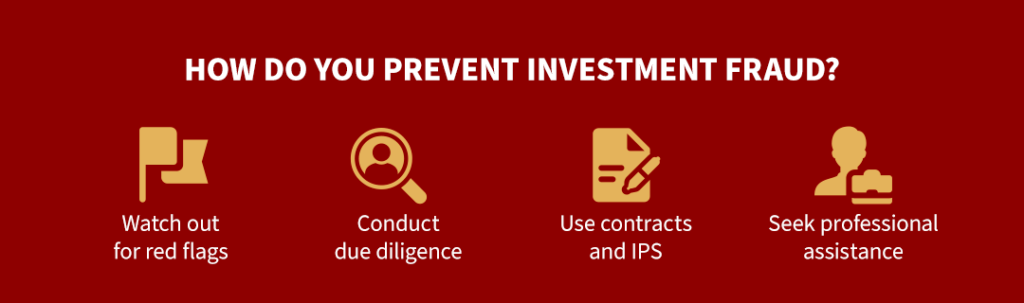
How to Protect Yourself
Being aware of Investment Scam Warning Signs is only the first step. You should also take proactive measures to safeguard your finances:
Conduct independent research before investing
Verify licenses and registrations with official authorities
Use well-known and regulated platforms
Avoid sharing personal or financial information with unknown parties
Take your time—never rush into an investment decision
What to Do If You Suspect a Scam
If you encounter suspicious activity:
Stop all communication immediately
Do not send additional funds
Document all interactions and transactions
Report the incident to relevant financial or law enforcement authorities
Acting quickly can help minimize losses and may assist in broader investigations.
Final Thoughts
Investment opportunities should be approached with careful consideration and due diligence. By understanding and recognizing Investment Scam Warning Signs, you significantly reduce your risk of becoming a victim.
How to Identify Trading Scams
How to Identify Trading Scams: A Practical Guide to Staying Safe
The rise of online trading has opened doors for millions of investors—but it has also created opportunities for scammers to exploit unsuspecting individuals. Knowing How to Identify Trading Scams is essential whether you’re a beginner or an experienced trader.
This guide will walk you through the key warning signs, common tactics, and practical steps you can take to avoid becoming a victim.
Why Trading Scams Are Increasing
Trading scams have grown rapidly due to:
- Easy access to global communication platforms
- The popularity of cryptocurrency and online trading
- Lack of awareness among new investors
Scammers take advantage of these factors to create convincing but fraudulent schemes. Learning How to Identify Trading Scams helps you stay one step ahead.
1. Unrealistic Profit Promises
One of the biggest red flags is the promise of:
- Guaranteed returns
- “Risk-free” trading
- Consistent high profits
In reality, all trading involves risk. If it sounds too good to be true, it almost always is. This is a fundamental rule in understanding How to Identify Trading Scams.
2. Unregulated or Unknown Platforms
Scammers often direct victims to fake trading websites or apps that look professional but are not legitimate.
Watch for:
- No regulatory information
- Recently created websites
- Poor transparency about company ownership
Always verify whether a platform is registered with a recognized financial authority.
3. Pressure and Urgency Tactics
Fraudsters create urgency to rush your decisions:
- “Limited-time opportunity”
- “Act now before the market moves”
This tactic prevents you from researching properly. Recognizing this behavior is key when learning How to Identify Trading Scams.
4. Requests for Additional Payments
A major warning sign appears when you try to withdraw funds. Scammers may ask for:
- Withdrawal fees
- Taxes or “release charges”
- Account upgrades
Legitimate platforms do not require repeated payments to access your own money.
5. Too Much Personal Attention
Scammers often assign a “broker” or “account manager” who:
- Contacts you frequently
- Encourages larger deposits
- Builds a personal relationship
While it may seem helpful, this is often a manipulation tactic. Understanding this dynamic is important in How to Identify Trading Scams.
6. Fake Profits and Account Growth
Many scam platforms show:
- Rapid account growth
- Consistent winning trades
- Impressive dashboards
These numbers are often fabricated to gain your trust and encourage more investment.
7. Requests to Communicate Off-Platform
Be cautious if you are asked to move conversations to:
- Telegram
- Private email
This helps scammers avoid detection and continue their scheme without oversight.
8. Poor Withdrawal Experience
A legitimate platform allows smooth withdrawals. Warning signs include:
- Delays or excuses
- Changing withdrawal rules
- Account restrictions
Difficulty withdrawing funds is one of the strongest indicators of a scam.
How to Protect Yourself
To avoid falling victim, follow these best practices:
- Research platforms thoroughly before investing
- Use regulated and well-known brokers
- Start with small amounts when testing a new platform
- Never share sensitive financial information
- Be skeptical of unsolicited offers
These steps reinforce your ability to apply How to Identify Trading Scams in real-world situations.
What to Do If You’ve Been Targeted
If you suspect a scam:
- Stop sending money immediately
- Save all communication records
- Report the platform to financial authorities
- Warn others to prevent further victims
Quick action can make a difference.
Final Thoughts
Understanding How to Identify Trading Scams is not just about spotting fraud—it’s about developing a cautious and informed mindset. As scams become more advanced, your awareness becomes your strongest defense.
Online Investment Fraud Prevention
Online Investment Fraud Prevention: A Complete Guide to Protecting Your Finances
As digital investing continues to grow, so does the risk of online fraud. From fake trading platforms to sophisticated social engineering schemes, scammers are constantly evolving their tactics. Understanding Online Investment Fraud Prevention is essential for safeguarding your assets and making confident financial decisions.
This guide outlines the most effective strategies to help you avoid scams and protect your investments.
Why Online Investment Fraud Is Increasing
The expansion of online financial platforms has made investing more accessible—but also more vulnerable. Scammers take advantage of:
- Anonymity on the internet
- Rapid growth in cryptocurrency and online trading
- Lack of awareness among new investors
This makes Online Investment Fraud Prevention more important than ever.
Common Types of Online Investment Fraud
Before diving into prevention, it’s important to recognize common scams:
- Fake trading platforms that simulate profits
- Phishing attacks designed to steal login credentials
- Ponzi and pyramid schemes promising high returns
- Impersonation scams posing as financial experts or companies
Awareness of these schemes is the first step in Online Investment Fraud Prevention.
Key Strategies for Online Investment Fraud Prevention
1. Verify Platforms and Brokers
Always research before investing:
- Check if the company is registered with financial regulators
- Look for verified reviews from trusted sources
- Confirm the company’s physical address and contact details
Verification is a core principle of Online Investment Fraud Prevention.
2. Avoid Unsolicited Investment Offers
Be cautious of unexpected messages offering investment opportunities. Legitimate firms rarely reach out through:
- Social media DMs
- Messaging apps like WhatsApp or Telegram
- Cold emails
Ignoring unsolicited offers significantly reduces your risk.
3. Use Secure and Trusted Platforms
Stick to well-known and regulated exchanges or brokers. These platforms:
- Follow compliance standards
- Offer customer protection measures
- Provide transparent fee structures
Using trusted services is a foundational step in Online Investment Fraud Prevention.
4. Protect Your Personal Information
Never share sensitive details such as:
- Passwords
- Private keys or recovery phrases
- Banking information
Scammers often use this data to gain full control over your accounts.
5. Be Wary of Unrealistic Promises
High returns with little or no risk are a major red flag. Always remember:
- All investments carry risk
- Consistent high profits are unrealistic
Recognizing this helps reinforce effective Online Investment Fraud Prevention.
6. Enable Strong Security Measures
Enhance your account security by:
- Using strong, unique passwords
- Enabling two-factor authentication (2FA)
- Regularly updating your software
These steps create an additional layer of protection against fraud.
7. Test Withdrawals Early
If you’re using a new platform, try withdrawing a small amount first. Difficulty withdrawing funds is often an early warning sign of a scam.
8. Take Your Time
Scammers rely on urgency to pressure victims into quick decisions. Always:
- Pause before investing
- Conduct thorough research
- Seek a second opinion if needed
Patience is a powerful tool in Online Investment Fraud Prevention.
Red Flags You Should Never Ignore
Watch out for these warning signs:
- Requests for upfront fees to withdraw funds
- Lack of clear company information
- Overly aggressive sales tactics
- Sudden changes in account access or rules
Recognizing these red flags strengthens your approach to Online Investment Fraud Prevention.
What to Do If You Suspect Fraud
If you believe you’ve encountered a scam:
- Stop all transactions immediately
- Secure your accounts and change passwords
- Document all communications
- Report the incident to relevant authorities
Quick action can limit damage and help prevent further fraud.
Final Thoughts
In today’s digital world, staying informed is your best defense. By applying the principles of Online Investment Fraud Prevention, you can significantly reduce your risk and invest with greater confidence.
Always verify, stay cautious, and remember: protecting your financial future starts with awareness and smart decision-making.
Cryptocurrency Trading Scam Guide
Cryptocurrency Trading Scam Guide: How to Recognize, Avoid, and Respond to Fraud
The rapid growth of cryptocurrency trading has created new financial opportunities—but it has also attracted a wave of sophisticated scams. This Cryptocurrency Trading Scam Guide is designed to help you understand how these scams work, identify warning signs, and protect your assets in an increasingly complex digital environment.
Why Cryptocurrency Scams Are So Common
Cryptocurrency markets are particularly appealing to scammers because they offer:
- Decentralization (limited oversight in some areas)
- Fast, irreversible transactions
- Pseudonymous identities
These factors make it easier for fraudsters to operate and harder for victims to recover lost funds. That’s why a solid Cryptocurrency Trading Scam Guide is essential for anyone entering this space.
How Cryptocurrency Trading Scams Work
Most scams follow a predictable pattern:
1. Initial Contact
Scammers reach out through:
- Social media platforms
- Dating apps
- Messaging services like WhatsApp or Telegram
They often present themselves as successful traders or investment experts.
2. Building Trust
The scammer develops a relationship by:
- Sharing fake success stories
- Showing screenshots of large profits
- Engaging in frequent, friendly communication
This stage can last days or even weeks.
3. Introducing the “Opportunity”
Once trust is established, they promote a trading opportunity with:
- High or guaranteed returns
- Minimal risk
- Exclusive access
This is a critical moment highlighted in any Cryptocurrency Trading Scam Guide.
4. Directing to a Fake Platform
Victims are guided to a fraudulent trading website or app that:
- Looks professional and legitimate
- Displays fake profits
- Allows small withdrawals initially
In reality, no real trading is taking place.
5. Increasing Deposits
After seeing “profits,” victims are encouraged to invest more money. Scammers use:
- Emotional pressure
- Market urgency
- Incentives for larger deposits
6. Blocking Withdrawals
When victims try to withdraw funds, they encounter:
- Requests for additional fees or taxes
- Account restrictions
- Delays and excuses
This is one of the most obvious red flags in this Cryptocurrency Trading Scam Guide.
7. Disappearance
Eventually, the scammer stops responding or shuts down the platform, leaving the victim with losses.
Common Types of Crypto Trading Scams
Understanding different scam types strengthens your awareness:
- Fake trading platforms – Simulated dashboards with no real transactions
- Signal group scams – Paid groups promising insider trading tips
- Impersonation scams – Fraudsters posing as experts or influencers
- Pump-and-dump schemes – Artificially inflating prices before selling
Each of these is covered in a comprehensive Cryptocurrency Trading Scam Guide.
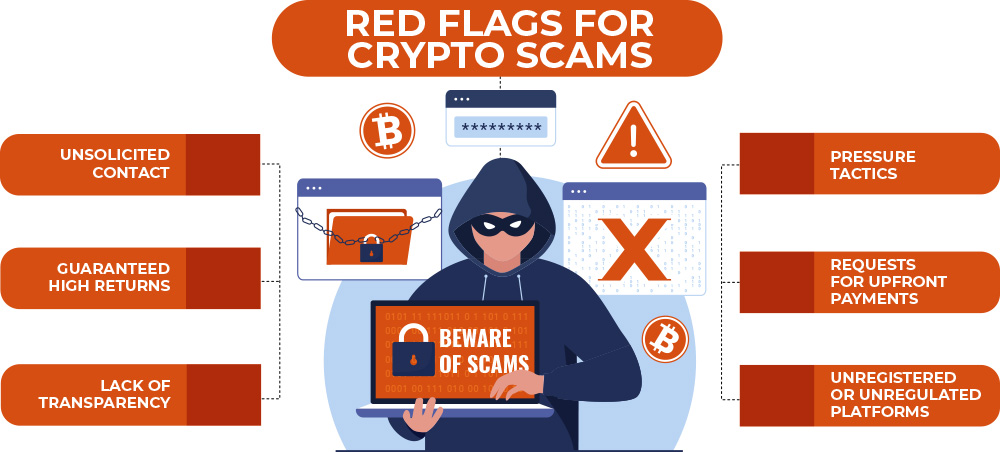
Key Warning Signs
Be alert to these red flags:
- Guaranteed or unrealistic profits
- Pressure to act quickly
- Unverified platforms or apps
- Requests for private keys or recovery phrases
- Fees required to withdraw funds
Recognizing these signs early is crucial.
How to Protect Yourself
To stay safe in the crypto trading world:
- Use reputable and regulated exchanges
- Verify platform legitimacy before investing
- Start with small amounts
- Never share sensitive information
- Avoid unsolicited investment offers
Applying these steps is central to any effective Cryptocurrency Trading Scam Guide.
What to Do If You’ve Been Scammed
If you suspect fraud:
- Stop sending funds immediately
- Secure your accounts and wallets
- Keep records of all transactions and communications
- Report the incident to relevant authorities
While recovery can be difficult, acting quickly improves your chances.
Final Thoughts
The cryptocurrency market offers exciting opportunities, but it also requires caution and awareness. This Cryptocurrency Trading Scam Guide highlights the importance of staying informed, verifying every opportunity, and avoiding emotional decision-making.
In the world of digital assets, knowledge is your strongest defense.